Key Takeaways
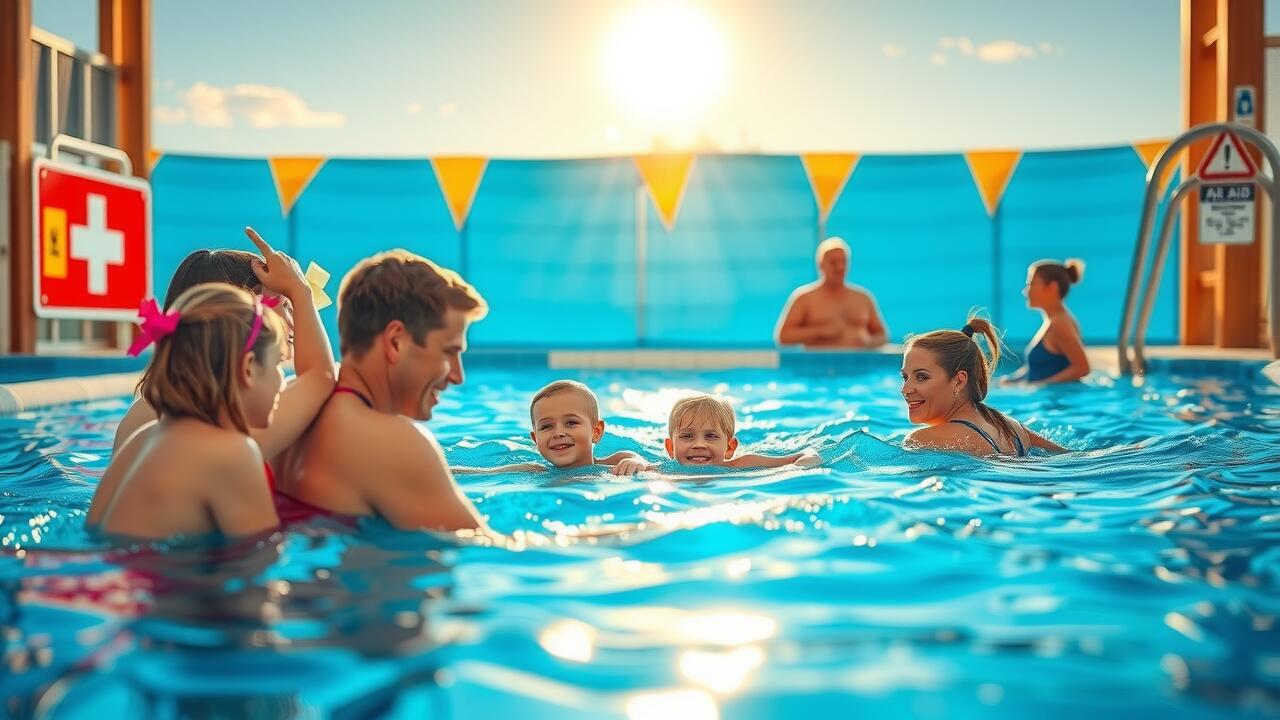
- Overview of regulations highlights the need for adequate safety measures in swimming facilities.
- Significance of swimming pool rules emphasizes their role in safeguarding users from harm.
- Current compliance status reveals varying levels of adherence among facilities regarding safety standards.
- Examination of facilities' initiatives shows efforts to improve protection for swimmers.
- Community involvement and public awareness are crucial for fostering a culture of safety in swimming environments.
Pool Safety Regulations In Minnesota: Are Facilities Doing Enough To Protect Swimmers? | Overview of Pool Safety Regulations in Minnesota
Pool safety regulations in Minnesota are designed to create a comprehensive framework for ensuring the safety of swimmers in various aquatic environments, including public pools, wading pools, and indoor pools. These regulations set forth standards for maintenance, operation, and lifeguard training, aiming to minimize the risk of accidents and injuries. Compliance with these standards is crucial, especially in competitive swimming settings where the safety of participants can significantly impact performance and enjoyment. The responsibilities of facility operators extend beyond mere compliance; they must actively engage in the continuous assessment of safety protocols. Addressing the question of whether facilities are doing enough to protect swimmers involves evaluating both the adherence to existing regulations and the ongoing commitment to enhancing safety measures in swimming pools across Minnesota.
Pool Safety Regulations in Minnesota: Are Facilities Doing Enough to Protect Swimmers? | Key Legislation Impacting Pool Safety
Minnesota has implemented a variety of key legislation aimed at ensuring the safety of swimmers in facilities such as kiddie pools, spa pools, and wave pools. These regulations focus on essential factors like water quality, requiring regular testing and adherence to strict water treatment protocols. Facilities must maintain water clarity to prevent safety hazards and ensure a pleasant swimming experience. Lifeguards play a crucial role in enforcing these regulations, serving as the first line of defense against potential accidents. The presence of a safety barrier around pools is also mandated to help protect users from accidental falls.
Compliance with these regulations varies across facilities, raising questions about whether they are doing enough to protect swimmers. Inspectors assess the public water system and various safety factors related to pool operations. This includes evaluating proper staffing levels for lifeguards and ensuring that safety equipment is readily available. Facilities are encouraged to engage in ongoing training for staff members and to stay updated on the latest safety standards to minimize risks associated with wave pools and other aquatic environments. Pool Safety Regulations in Minnesota: Are Facilities Doing Enough to Protect Swimmers? This ongoing evaluation becomes essential to prevent accidents and ensure the safety of all patrons.
Enforcement Agencies and Their Roles
Enforcement of pool safety regulations in Minnesota falls under several agencies tasked with ensuring that facilities adhere to health standards. The Office of Environmental Health Hazard Assessment actively monitors compliance with regulations related to water supplies, diving equipment, and treatment of plunge pools. This oversight is essential to mitigate health hazards linked to inadequate water safety practices. The role of the National Institute for Occupational Safety and Health also comes into play, highlighting the importance of integrating occupational safety and health principles into pool operations.
State and local enforcement agencies enforce laws that govern various aspects of pool management, including water heating and maintenance protocols. By requiring regular inspections, these agencies help identify violations and potential risks within facilities. Community engagement is crucial in addressing safety concerns, ensuring that swimmers are aware of watercraft regulations and safe practices in swimming pools. Pool Safety Regulations in Minnesota: Are Facilities Doing Enough to Protect Swimmers? This ongoing vigilance by enforcement bodies aims to uphold the integrity of waters and protect public health.
Importance of Swimming Pool Regulations
Effective Pool Safety Regulations in Minnesota: Are Facilities Doing Enough to Protect Swimmers? play a crucial role in ensuring that swimming pools do not pose a health hazard to the community. The oversight provided by the Minnesota Department of Health and the Minnesota Pollution Control Agency contributes to the enforcement of standards that govern pool maintenance and safety protocols. These regulations mandate the use of protective equipment and proper water quality management to mitigate potential hazards. Compliance with the occupational safety and health administration standards is essential for safeguarding both swimmers and pool staff. By adhering to these regulations, Minnesota swimming pools can maintain a safe environment, thereby enhancing the overall safety of pool facilities across the state.
Protecting Swimmers from Accidents
Ensuring the safety of swimmers is a critical focus of the Pool Safety Regulations in Minnesota: Are Facilities Doing Enough to Protect Swimmers? Regulations stipulate that all public pool construction must adhere to the Minnesota pool code, which includes guidelines for pool facility capacity and the condition of pool water. Effective enforcement of these regulations is essential to guarantee that outdoor swimming pools maintain proper pool water qualities. Facilities are required to implement rigorous water testing protocols. This aims to ensure that pool water is safe and free from harmful bacteria, contributing to a secure swimming environment.
The introduction of safety measures, such as proper pool covers and safety equipment, plays a vital role in protecting swimmers. Taylor pool safety initiatives advocate for regular inspections and maintenance practices to ensure that both public and private swimming pools comply with safety standards. These measures not only address potential hazards but also educate facility operators on maintaining safe pool water conditions. Through proactive management, facilities can make sure swimmers enjoy a safe and enjoyable experience in both public and private swimming pools.
- Regular water quality testing is crucial for ensuring the safety of swimmers.
- Installation of proper pool covers can prevent accidental drownings.
- Safety equipment, such as life rings and rescue poles, should be readily available.
- Routine inspections of pool facilities help identify and mitigate potential hazards.
- Training for staff on emergency response and first aid is essential.
- Public awareness campaigns can educate swimmers about safety practices.
- Compliance with safety regulations must be regularly reviewed and updated.
Health Standards and Maintenance Practices
Compliance with health standards is vital for ensuring the safety of pool patrons in Minnesota. The design and operation of pools must adhere to established regulations, which encompass everything from pool capacity limits to proper pool enclosure requirements. Regular maintenance of pool equipment and routine checks in the pool area are essential to mitigate risks and prevent pool incidents. Facilities that prioritize these practices not only comply with Pool Safety Regulations in Minnesota: Are Facilities Doing Enough to Protect Swimmers? but also create a safer environment for all pool users.
Proper maintenance practices play a critical role in the overall safety of outdoor swimming pools. Routine cleaning and sanitation help prevent the spread of waterborne illnesses, while functional pool equipment ensures that water quality remains within safe parameters. Pool safety regulations set forth by national swimming pool standards guide facilities in achieving these benchmarks. By adhering to these guidelines, facilities can significantly reduce the likelihood of accidents and promote a positive experience for every visitor.
Current Status of Pool Safety Compliance in Facilities
The compliance of facilities with Pool Safety Regulations in Minnesota is critical to ensuring swimmer safety. Inspections often reveal areas needing attention, such as adherence to rules governing the pool water surface and hot water pool temperatures. Facilities must manage pool user capacity effectively, ensuring the maximum pool user limit is not exceeded, especially during supervised water sports. Common violations include neglecting maintenance on pool equipment operation and failing to secure the pool perimeter. Residential pools also face scrutiny, particularly concerning any recent pool alteration or installations that may affect overall safety. The implementation of proper safety protocols around the entire pool is vital to protect all individuals engaged in swimming activities.
Inspection Frequencies and Standards
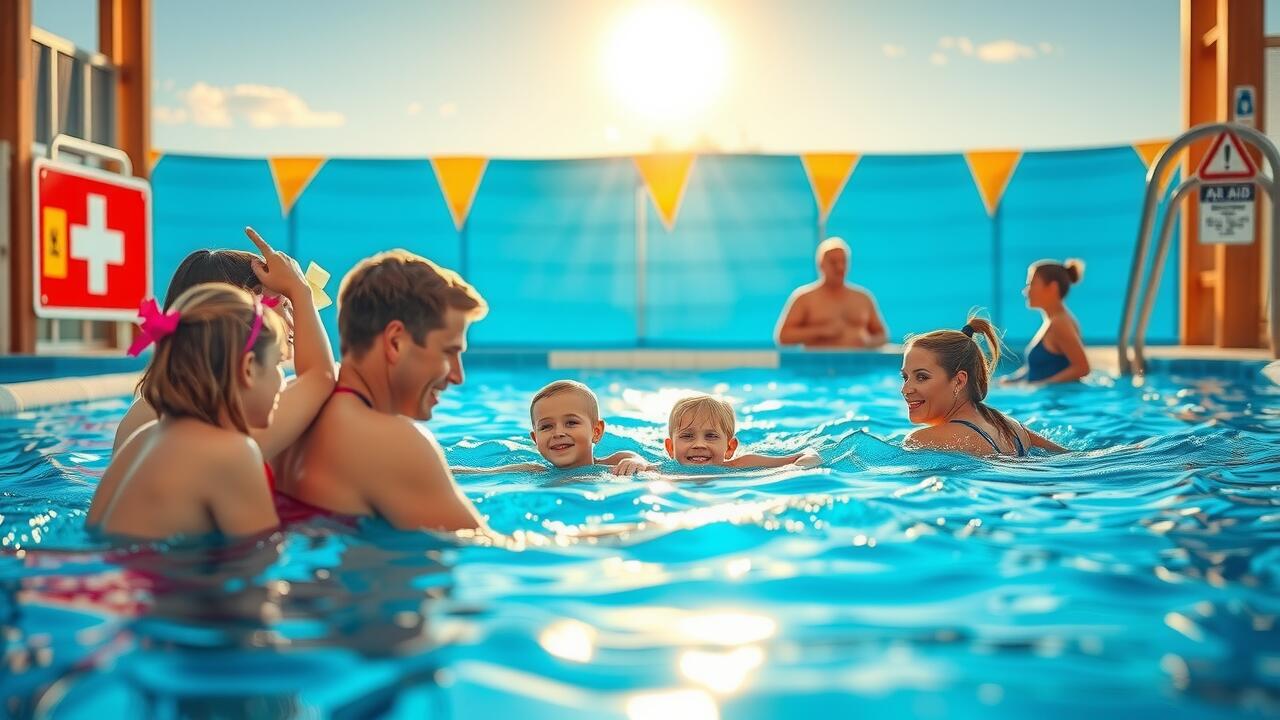
Inspection frequencies for swimming facilities in Minnesota play a crucial role in maintaining safety standards. Regular checks ensure that all aspects of pool safety regulations are adhered to, including the condition of pool surface water and compliance with pool code. Facilities must maintain the integrity of pool area enclosures, ensuring that all entry points, whether for outdoor pools or special purpose pools, are secure. Inspectors assess the pool surface, hot water pools, and wading pool enclosures to confirm they meet required specifications, including pool width and overall design.
Standards dictate how often inspections should occur, varying by facility type. For instance, operating pools typically face more stringent oversight compared to less frequently used poolside activity areas. Inspectors evaluate the entire pool area, focusing on the pool wall and the surrounding pool enclosure area to prevent accidents and ensure adequate safety measures are in place. Adherence to these standards is imperative for protecting swimmers and promoting a safe recreational environment.
Common Violations Observed in Facilities
Common violations in facilities often stem from inadequate compliance with Pool Safety Regulations in Minnesota: Are Facilities Doing Enough to Protect Swimmers? Many aquatic facility operators neglect to maintain proper pool drainage systems, which can lead to hazardous conditions for swimmers. Issues such as missing or improperly installed pool ladders and inadequate signage around pool depth can hinder safety measures. The pool room and its entire pool surface require regular inspections to ensure that safety protocols are being adhered to consistently.
Concerns arise from the improper storage or handling of pool chemicals, which can jeopardize the health of patrons using indoor pools. A lack of training for pool operators regarding best maintenance practices can also contribute to violations, resulting in unsafe swimming environments. Failure to conduct timely pool closures when safety deficiencies are identified can further exacerbate risks. Addressing these common violations is essential for enhancing safety protocols and ensuring swimmer protection at aquatic facilities.
Analysis of Facilities' Efforts to Enhance Safety
Facilities in Minnesota are making strides to adhere to Pool Safety Regulations in Minnesota: Are Facilities Doing Enough to Protect Swimmers? Effective training programs, such as the pool operator course, equip staff with crucial knowledge about maintaining water clarity standards and understanding proper pool depths. Regular inspection of pool aprons, spa pool areas, and the pool edge helps in identifying potential hazards. Compliance with automatic water level systems ensures enough water is maintained, minimizing risks associated with pool elevation and water conditioning. Engaging with organizations like the Aquatic Training Institute enhances staff capabilities in emergency procedures. Continuous efforts to monitor the pool bottom and educate users about ground pools play a vital role in reinforcing a safety culture.
- Facilities are implementing routine staff training sessions to stay updated on safety protocols.
- Regular drills for emergency response help prepare staff for potential incidents.
- The installation of slip-resistant surfaces around pool areas reduces the risk of falls.
- Frequent water quality testing ensures safe swimming conditions for patrons.
- Clear signage regarding safety rules and emergency procedures is being displayed prominently.
- Collaboration with local health departments to assess safety standards and ensure compliance.
- Community outreach programs raise awareness about pool safety among swimmers and families.
Training and Certification of Pool Staff
Proper training and certification of pool staff is critical for ensuring compliance with Pool Safety Regulations in Minnesota: Are Facilities Doing Enough to Protect Swimmers? This training equips pool owners and staff with the knowledge to take necessary precautions against various hazards. For instance, staff must be aware of the dangers posed by a faulty pool drain or an open pool drain, which can lead to serious accidents. Familiarity with equipment such as safety covers and an in-pool surge system is also essential to maintaining a safe environment for all users during the swimming season.
Ensuring that employees are skilled in safety protocols helps prevent incidents, particularly in facilities with unique features like waste-heat-recovery pools and manufactured spa pools. Knowledge of health-based groundwater standards ensures that poolside guest rooms and surrounding areas are safe and sanitary. By focusing on comprehensive training programs, facilities can enhance their ability to protect swimmers effectively and create a culture of safety that permeates all aspects of pool operations.
Implementation of Safety Equipment and Protocols
Facilities must adopt robust safety equipment and protocols to comply with Pool Safety Regulations in Minnesota: Are Facilities Doing Enough to Protect Swimmers? This includes ensuring that pool drains meet safety standards to prevent entrapment incidents. Implementing a reliable pool recirculation system and maintaining the pool return line are critical for optimal water quality, especially in underground pools. High water level precautions and having a dedicated plunge pool can significantly enhance swimmer safety. Investing in safety measures, such as additional lifeguards and monitoring systems, can help facilities exceed the basic requirements set forth by state regulations.
The cost of installing and maintaining safety equipment, such as effective pool drains, is often outweighed by the benefits. Warm water pools often require special considerations for safety, including constant monitoring and adherence to health standards. Facilities can adopt similar safety enhancements to create a safer environment within the pool basin. Regular training for staff on safety protocols and proper equipment usage is essential in ensuring compliance with Pool Safety Regulations in Minnesota: Are Facilities Doing Enough to Protect Swimmers? Prioritizing these measures offers peace of mind to swimmers and their families.
Community Awareness and Public Engagement
Community engagement plays a crucial role in reinforcing Pool Safety Regulations in Minnesota: Are Facilities Doing Enough to Protect Swimmers? Public awareness campaigns can educate residents about essential safety practices surrounding recreational bathing activities. Discussions about the proper maintenance of standard pool slides and the importance of effective pool piping systems can promote safer environments. By highlighting the significance of regular water samples and surface water treatment for facilities, community members understand their role in ensuring healthy swimming conditions. Awareness of safety protocols related to lifeguard platforms, water heating units, and plunge pool walls can encourage proactive measures. Engaging the public in these topics fosters a culture of safety, ultimately benefiting both private residential swimming areas and commercial facilities alike.
Educational Programs on Pool Safety
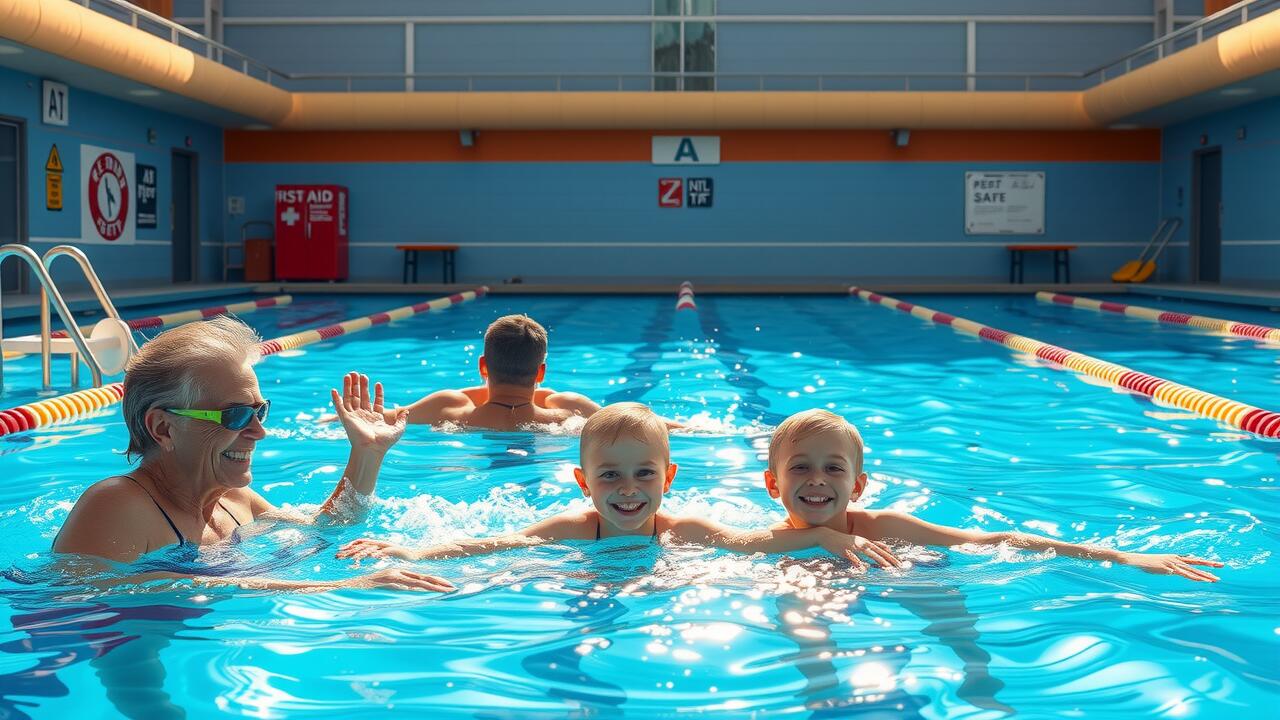
Educational programs focusing on pool safety play a crucial role in educating both staff and patrons about the importance of adhering to Pool Safety Regulations in Minnesota: Are Facilities Doing Enough to Protect Swimmers? Such initiatives often cover essential topics, including the significance of maintaining a maximum water temperature and understanding sanitation fixture requirements. By effectively communicating these standards, facilities can promote user safety, particularly in settings like vinyl liner pools where specific safeguards are necessary to prevent environmental health hazards.
Training programs can also emphasize proper practices related to water depth and the water surface's maintenance. A four-to-one safety factor is vital for ensuring that safety improvements are consistently implemented. Collaboration with organizations like the Minnesota Pollution Control Agency can enhance these educational efforts, providing resources and guidelines that facilities need to better protect swimmers. By investing in educational programs, the culture of safety in aquatic environments can be significantly strengthened.
Conclusion
The examination of Pool Safety Regulations in Minnesota: Are Facilities Doing Enough to Protect Swimmers? reveals critical insights into the effectiveness of current measures in safeguarding patrons. Facilities must prioritize the safe handling of equipment and ensure that diving areas are clearly marked and monitored. Compliance with health standards and occupational safety guidelines is essential for both staff and swimmers alike. While bathing in pools should be a pleasurable experience, the presence of common violations highlights a pressing need for enhanced training and adherence to established regulations. Addressing these challenges is vital for improving the overall safety and enjoyment of pool facilities across Minnesota.
FAQS
What are the main pool safety regulations in Minnesota?
The main pool safety regulations in Minnesota include requirements for fencing, lifeguard presence, water quality standards, and health and safety maintenance practices to ensure a safe swimming environment.
How are pool safety regulations enforced in Minnesota?
Pool safety regulations in Minnesota are enforced by local health departments and state agencies, which conduct inspections and monitor compliance to ensure facilities adhere to the established safety standards.
What are the common violations found in Minnesota pool facilities?
Common violations in Minnesota pool facilities include inadequate fencing, improper water quality levels, lack of safety equipment, insufficient lifeguard training, and failure to maintain proper maintenance records.
How often are pool facilities inspected for compliance with safety regulations?
Pool facilities in Minnesota are typically inspected annually, but the frequency can vary depending on the facility type and past compliance history. Some facilities may undergo more frequent inspections if they have a history of violations.
What can swimmers do to ensure their safety at public pools?
Swimmers can ensure their safety at public pools by familiarizing themselves with the facility's safety rules, paying attention to lifeguard instructions, using safety equipment provided, and reporting any unsafe conditions or behaviors to staff.
How do Minnesota’s pool safety regulations impact environmental protection and the safety of features such as the pool deck and pool drain?
Minnesota's pool safety regulations significantly emphasize environmental protection by ensuring that facilities manage water supply responsibly and maintain pool design elements that contribute to safety. Features such as the pool deck and pool drain are critical in preventing accidents and injuries. Compliance with the safety act helps ensure that normal swimming and aquatics activities are conducted safely. Additionally, regulations often consider factors like the pool volume, water surface level, and the influence of the raised pool on local groundwater and water table levels. This holistic approach helps protect both swimmers and the environment.
What are the implications of Minnesota's pool safety regulations on recreational activities, particularly concerning water therapy and poolside safety measures?
Minnesota's pool safety regulations play a significant role in ensuring the safety of features like water spouts and the pool drain cost. Facilities must comply with regulations to protect swimmers engaged in activities like water therapy, which adds an essential layer of safety. Compliance helps maintain the quality of Minnesota groundwater, ensuring that recreational swimming is safe for home menuresidential swimming. Proper pool indicating measures are necessary to prevent accidents and enhance swimmer safety.
How do Minnesota's regulations impact the safety measures implemented at pool side facilities, particularly regarding the technology and maintenance practices provided by pool institute tech?
Minnesota's regulations significantly enhance safety measures at the pool side by requiring facilities to adopt advanced maintenance practices and technology provided by pool institute tech. Such water quality management techniques ensure that pools are properly drawn and maintained, reducing the risk of accidents and promoting a safer swimming environment.
How do the measures taken by pool facilities in Minnesota ensure that the water is always safe and well-maintained, specifically addressing the issue of pool drawn water quality?
In Minnesota, pool facilities are required to adhere to strict regulations that ensure the water quality remains safe for swimmers. These regulations include regular testing and monitoring of pool drawn water, which involves checking chemical levels and other safety parameters to mitigate risks of contamination and ensure a safe swimming environment.
What steps are being taken by pool facilities in Minnesota to enhance swimmer protection and ensure the effectiveness of safety regulations?
Pool facilities in Minnesota are implementing several steps to enhance swimmer protection, such as upgrading safety equipment, conducting regular training for staff on emergency response protocols, and ensuring compliance with stringent safety regulations. These measures aim to create a safer environment for swimmers by minimizing risks associated with pool use and improving overall safety standards in line with established regulations.