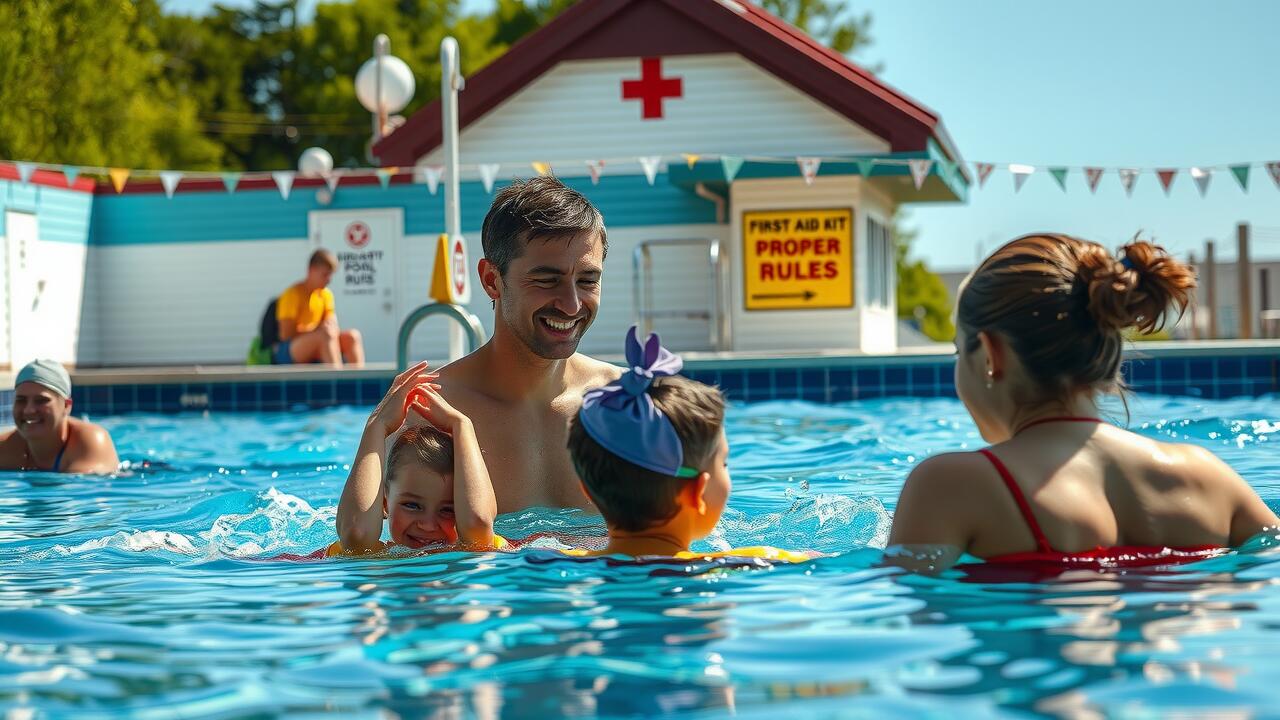
Emergency Preparedness
Preparation for emergencies around swimming pools is essential to ensure safety. Every facility should establish a clear action plan outlining the steps to take in various scenarios, such as drowning or injury. Regular training sessions for staff are vital, enabling them to act quickly and effectively. Having emergency equipment readily accessible, such as flotation devices, first aid kits, and emergency communication tools, can make a significant difference in critical situations.
In addition to having an emergency plan in place, conducting regular drills can enhance preparedness. These drills familiarize staff and pool users with potential hazards and the appropriate responses. Communication with patrons about emergency procedures is important as well. Awareness among swimmers and their guardians can help increase vigilance and foster a safer environment. Implementing these strategies ensures that everyone understands their role during emergencies.
Creating an Action Plan for Incidents
Having a well-defined action plan for incidents is essential for ensuring safety around swimming pools. This plan should outline the steps to take in various emergency scenarios, including drowning, injuries, or severe weather conditions. Designation of specific roles for staff and pool users can create a coordinated response during emergencies. Regular training sessions can enhance preparedness, allowing everyone involved to react swiftly and effectively when an incident occurs.
Clear communication is vital in an emergency situation. All pool users should be familiar with the action plan, including the location of emergency equipment such as first aid kits and life rings. It is also beneficial to conduct regular drills, which reinforce the plan and instill confidence in staff and patrons alike. Involving the community in safety initiatives can promote awareness and foster a culture of vigilance around the pool area.
The Role of Lifeguards
Lifeguards play a crucial role in maintaining safety at swimming pools. They are trained professionals whose primary responsibility is to monitor pool areas, ensuring that all patrons follow safety guidelines. Their vigilance allows for rapid response to emergencies, whether they involve drowning incidents or first aid situations. Lifeguards are often the first responders in such emergencies and their ability to remain calm under pressure can make a significant difference.
In addition to monitoring activities in the water, lifeguards are tasked with educating swimmers about safe practices. They often conduct safety briefings and provide clear instructions on pool rules. By reinforcing these guidelines, lifeguards help to foster a culture of safety that benefits everyone using the facility. Their proactive approach not only prevents incidents but also empowers swimmers to be more aware of their surroundings and responsible in the water.
What Responsibilities Do They Have?
Lifeguards play a crucial role in ensuring the safety of all swimmers in and around the pool. Their primary responsibility is to monitor the behavior of pool patrons and respond promptly to any emergencies. This involves conducting regular surveillance of the swimming area and being vigilant about identifying potential hazards, such as overcrowding or unsafe swimming conditions. In addition to overseeing activities, they are trained in first aid, CPR, and emergency response protocols, allowing them to act swiftly in the event of an incident.
Effective communication is another essential aspect of a lifeguard's duties. They must relay important safety information to swimmers and help enforce pool rules to maintain a safe environment. Lifeguards often engage with patrons, providing guidance and addressing concerns as they arise. In emergencies, they lead rescue efforts and coordinate with medical personnel when necessary, ensuring that affected individuals receive the appropriate care as quickly as possible. This proactive approach not only enhances safety but also fosters a culture of responsibility among swimmers.
Enforcing Pool Rules
Establishing clear pool rules is essential for maintaining safety and promoting enjoyable experiences for all patrons. Rules should cover behaviors such as running near the pool, diving in shallow areas, and supervising young children. When rules are clearly displayed, they serve as a constant reminder for guests to prioritize safety. Signs should be easy to read and placed in prominent locations around the pool to ensure maximum visibility.
Enforcement of these rules relies on proactive measures by both lifeguards and pool staff. Regular monitoring of pool activities allows lifeguards to address any unsafe behavior promptly. In addition, staff can educate guests about the importance of adhering to established guidelines. Consistent reminders about the rules contribute to a culture of safety. This ensures that both patrons and staff are aware that safety is everyone's responsibility.
Importance of Clear Signage
Clear signage plays a crucial role in ensuring the safety of individuals around swimming pools. Well-placed instructional signs can communicate essential rules, potential hazards, and emergency procedures to all pool users. Visibility is key; signs should be positioned at strategic locations, such as entrances and near the pool’s edge. Using simple language alongside universally recognized symbols aids in conveying messages effectively, catering to diverse audiences, including children and non-native speakers.
Additionally, signs can enhance awareness of age restrictions, swimming abilities, and health guidelines. They serve as constant reminders to follow safety protocols, whether it's maintaining vigilant supervision of children or prohibiting running nearby. By effectively utilizing clear signage, pool operators can significantly reduce the likelihood of accidents and ensure a more secure environment for everyone. Making signage easily accessible and comprehensible ultimately encourages responsibility among all pool users.
FAQS
What are the basic rules of water safety around swimming pools?
Basic rules of water safety include never swimming alone, supervising children at all times, avoiding running near the pool, and ensuring that all swimmers are aware of the pool depth.
How can I prepare for emergencies at the pool?
Preparing for emergencies involves creating an action plan that includes knowing the location of emergency equipment, having a list of emergency contacts, and ensuring that all pool users are aware of the plan.
What responsibilities do lifeguards have at swimming pools?
Lifeguards are responsible for monitoring pool activities, enforcing rules, providing assistance in emergencies, and ensuring that all safety protocols are followed to prevent accidents.
Why is clear signage important around swimming pools?
Clear signage is important as it communicates the pool rules and safety guidelines to all users, helping to prevent accidents and ensure a safe swimming environment.
How can I ensure my child follows pool safety rules?
To ensure your child follows pool safety rules, you can set clear expectations, provide supervision, teach them the importance of safety, and lead by example by following the rules yourself.